About the Author
Richard Newman
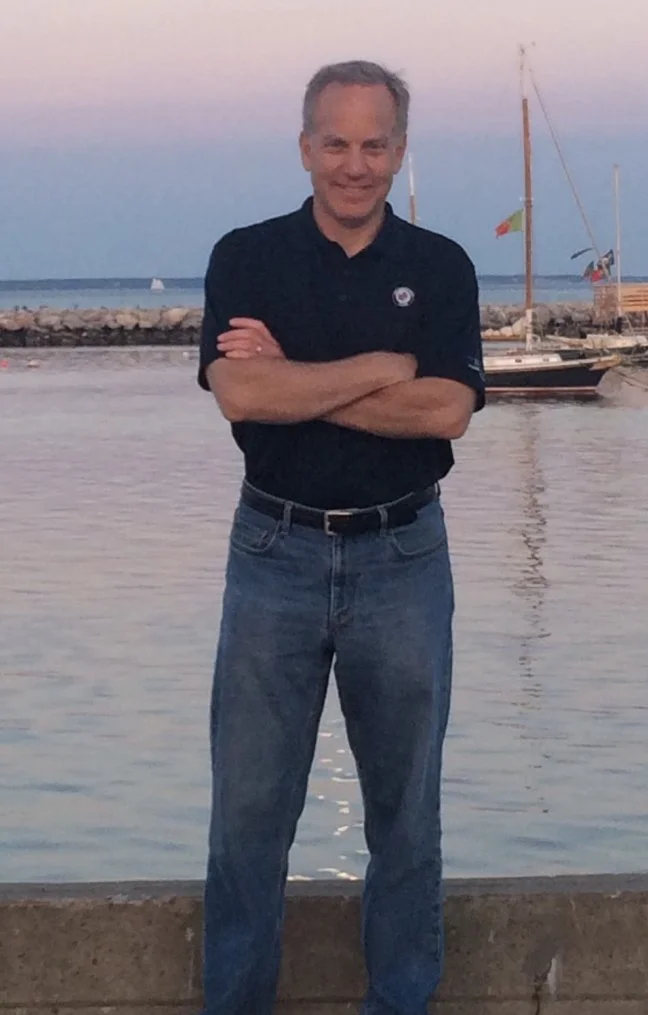
I grew up in Jackson Heights, Queens—one of the most diverse neighborhoods in the country, where you learn early how to read a room, when to speak up, and when to keep your head down. Like many families, mine carried stories, silences, and contradictions that were simply there, passed along without explanation. For most of my adult life, I understood that history intellectually, not emotionally.
Professionally, my path took a very different shape. I co-founded Insyte, a software company that built data management and analytics tools for quantitative investors at some of the world’s largest asset managers. In 2000, Insyte was acquired by FactSet Research Systems—its first acquisition—and I spent the next twenty years there as a senior executive. During that time, I started and led FactSet’s Content & Technology Solutions group and served on the Executive Committee. Eventually, I retired—ready to move on to something else.
In 2020, during Covid (and a bit bored), I co-founded and was CEO of Ark Data, which was later acquired by BlackRock. I went on to lead the Blackrock Aladdin Studio business, focused on delivering open analytics and data solutions to the investment community. And then, in 2024, I retired again. There will not be a retirement number three. Writing this book marks the beginning of a different kind of retirement.
All of that sounds tidy. It wasn’t.
This book began as a novel—an attempt to understand where my instincts about silence, identity, and belonging came from. Somewhere along the way, it stopped being fiction and became a reckoning. And despite everything I’ve done professionally, the voice that still echoes the loudest belongs to my grandmother Sara, reminding me—often and accurately—to remember where I came from, to be myself, and to never act like a big shot.
I broke that rule sometimes. But I always came back.
About the Collaboration
Richard Newman (author) & Joseph Callari (narrator)
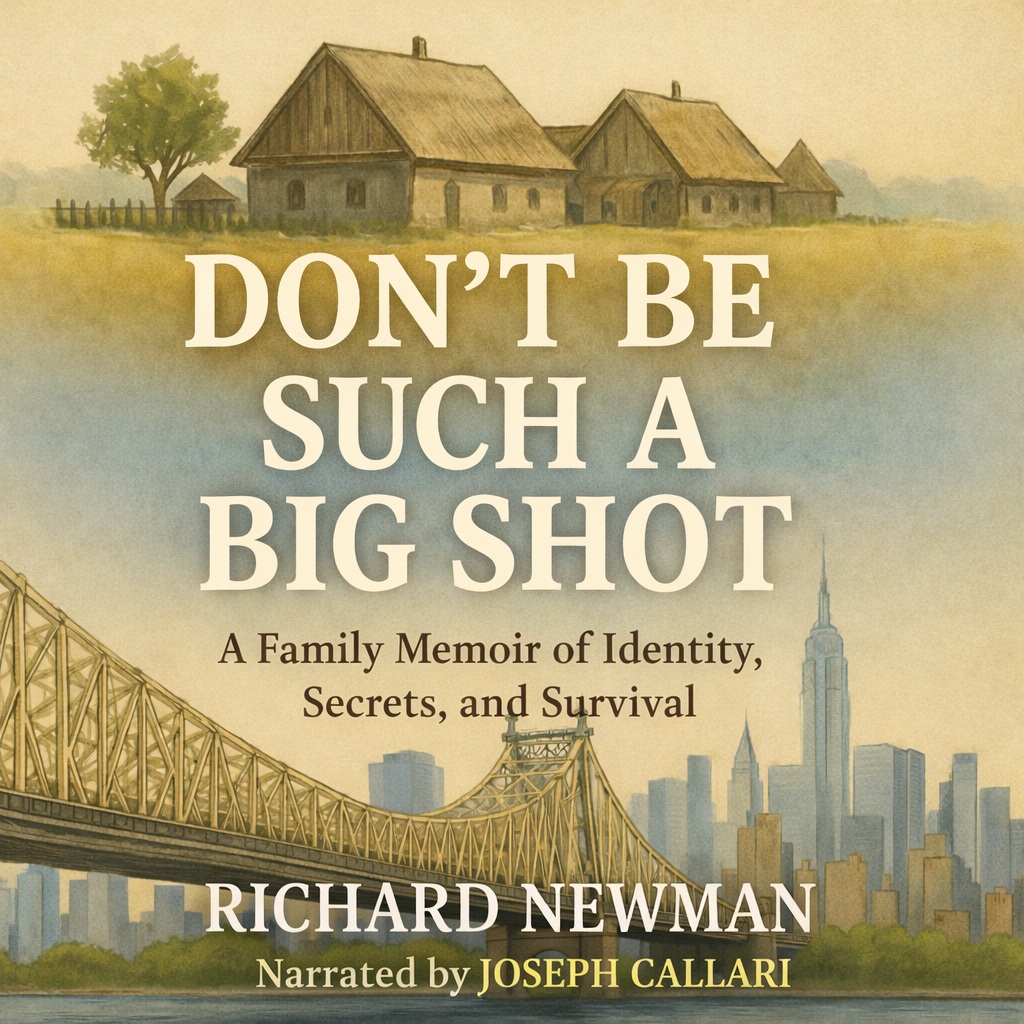
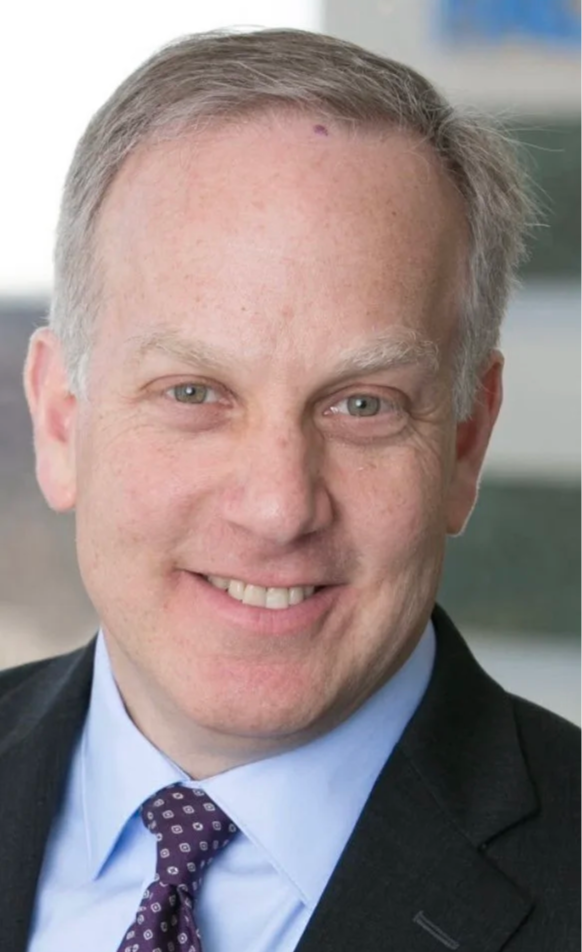
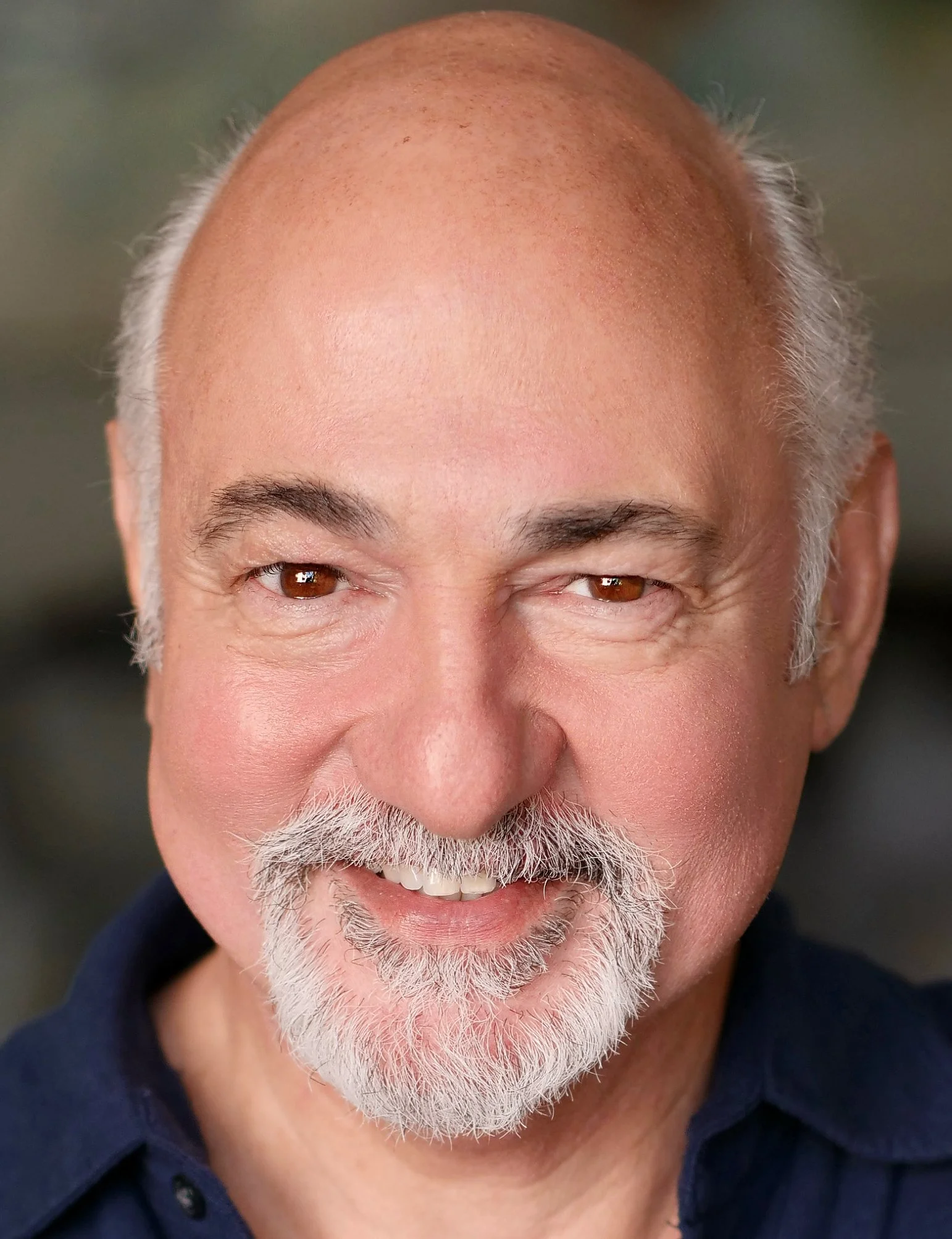
Joseph Callari and I were supposed to work together in a very simple way.
When I first began this project, I assumed I’d narrate the audiobook myself. It felt natural—it was my story, after all. That confidence lasted about as long as my first serious recording session. It turns out that reading your own life aloud, with the right pacing, accents, restraint, and emotional honesty, is harder than it sounds.
So I did what I often preached to people on my teams: I failed fast and posted an audition for a more professional approach.
More than a hundred narrators responded. Many were excellent. Joseph, who has appeared on shows like Modern Family and That ’90s Show, was among them—but that wasn’t why his voice stood out. What caught my attention was something less professional and more personal: it felt familiar, as if we‘d known each other since childhood.
Joseph grew up in Brooklyn. I grew up in Queens. Same era. Neighborhoods that taught you how to be sharp and skeptical. Same sarcasm. Same instincts. Same White Castle on Queens Boulevard in Elmhurst, oddly enough.
From our first conversation, it was clear we spoke the same language—even when we weren’t saying much at all. We finished each other’s sentences, laughed at the same references, and understood the same unspoken rules of growing up in New York: be honest, don’t be precious, and never pretend you’re more important than you are.
Joseph didn’t just narrate the book. He inhabited it. He understood when a line needed space, when humor should undercut sentiment, and when silence carried more truth than emphasis. He asked questions. He pushed back. He helped me hear the story not as its author, but as its listener.
The collaboration worked because it was grounded in something simple: shared sensibility, shared honesty, and a refusal to make this story sound better than it really was. The truth—sometimes messy—was what it needed. That shared sensibility is why the audiobook feels less like a performance—and more like a conversation.
Which, in its own way, feels very New York.